
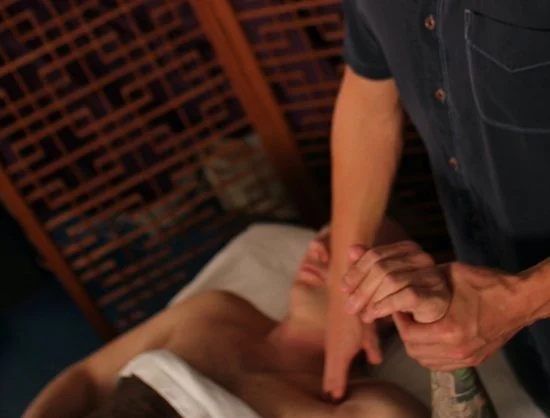
What is Myofascial Release?
Slow and precisely sustained friction
applied to open and stretch the fascia — the
connective tissue network surrounding
muscles, nerves, joints, and organs.
Rather than forcing muscles to relax, this work targets the connective tissue system that holds the body together.
What Is Myofascial Release?
Fascia behaves less like individual muscles and more like a continuous web throughout the body. When one area becomes restricted from injury, overuse, posture, or repetitive work, strain often shows up somewhere else entirely.
This is why:
tight hips can contribute to low back pain
restricted shoulders can lead to neck tension or headaches
old injuries continue affecting movement years later
During treatment, I work with minimal lotion because friction heat causes the fascia to become elastic. This is the reason when we warm up movement becomes easier. Sustained pressure allows the tissue to slowly release rather than being forced, creating longer-lasting change.
Why Fascia Matters
Think of fascia as the body’s internal support system — adaptable, resilient, and constantly responding to how you use your body.
When fascia loses elasticity, the body compensates:
-stronger areas overwork
-joints move inefficiently
-pain develops away from the true source of restriction
These patterns can come from:
-repetitive pulling or lifting
-long hours seated or braced against movement
-chronic dehydration
-past injuries that never fully resolved
Myofascial work helps restore balance so movement becomes easier and less effortful.
⸻
How Treatment Helps
Clients commonly notice:
Improved range of motion
Reduced chronic muscle tension
Relief from back, neck, and shoulder pain
Better posture and movement efficiency
Easier breathing and relaxation response
Improved recovery between work days
The goal isn’t just temporary relief — it’s helping your body function better under real-world demands.
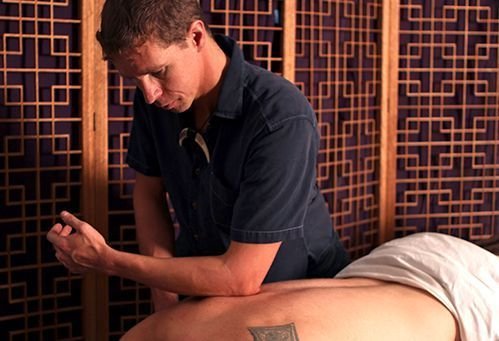
My Approach
My work blends Myofascial Release with detailed nerve-focused techniques often called neurofascial work. The intention is not only to affect muscles, but also the nervous system that controls them.
Treatment often begins with slow fascial work to calm protective tension patterns and prepare the body for deeper therapeutic work. Once the nervous system feels safe and the tissue begins to soften, more specific treatment becomes both more effective and more comfortable.
This approach works especially well for:
chronic pain
overuse injuries
limited mobility
physically demanding occupations
people who feel “tight no matter how much they stretch”
⸻
What to Expect During a Session
Sessions are slower and more intentional than traditional massage.
You may notice:
warmth spreading through an area
muscles releasing suddenly or gradually
large regions of the body relaxing at once
deep nervous system relaxation
Steady breathing and simply allowing sensations to change naturally helps the treatment work most effectively.
Myofascial Release uses little to no oil and may be combined with other therapeutic techniques depending on your goals.